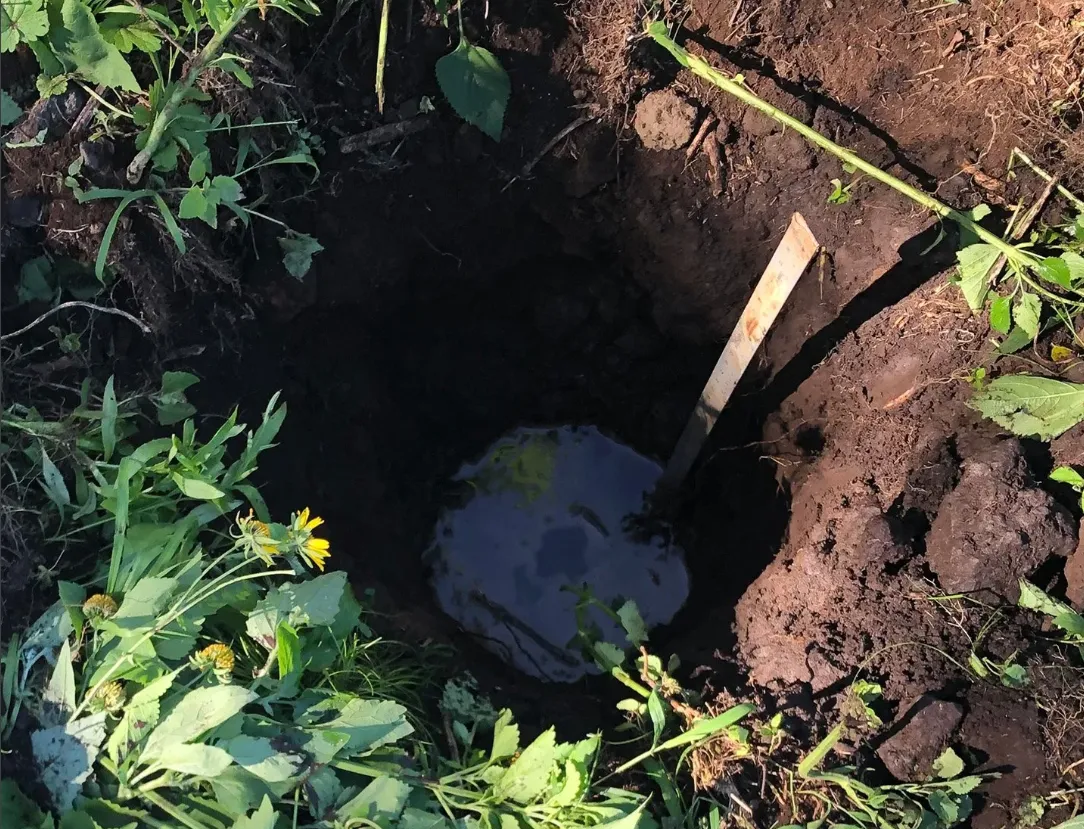
Cesspool Conversion Near Pearl City, Hawaii: Why Early Upgrades Are Often Cheaper
Why Hawaii Homeowners Are Starting to Worry About Their Cesspools
If you’re like most homeowners in Hawaii County, your cesspool probably isn’t something you think about often.
Until something changes.
Maybe you heard about the new laws. Maybe a neighbor mentioned upgrading. Maybe you caught a smell in the yard after heavy rain and thought, “Is that coming from mine?”
Now it’s in the back of your mind.
You start wondering:
How long do I actually have?
What happens if it fails?
Is this going to cost me a fortune?
There’s also that uncomfortable feeling of not knowing what’s coming next. You don’t want to get caught off guard, but you also don’t want to spend money before you have to.
We talk to homeowners across Hawaii County, Pearl City, and beyond every day, and the pattern is the same. Most people aren’t ignoring the issue. They’re just unsure when the right time is to act.
And that’s exactly where this conversation starts.
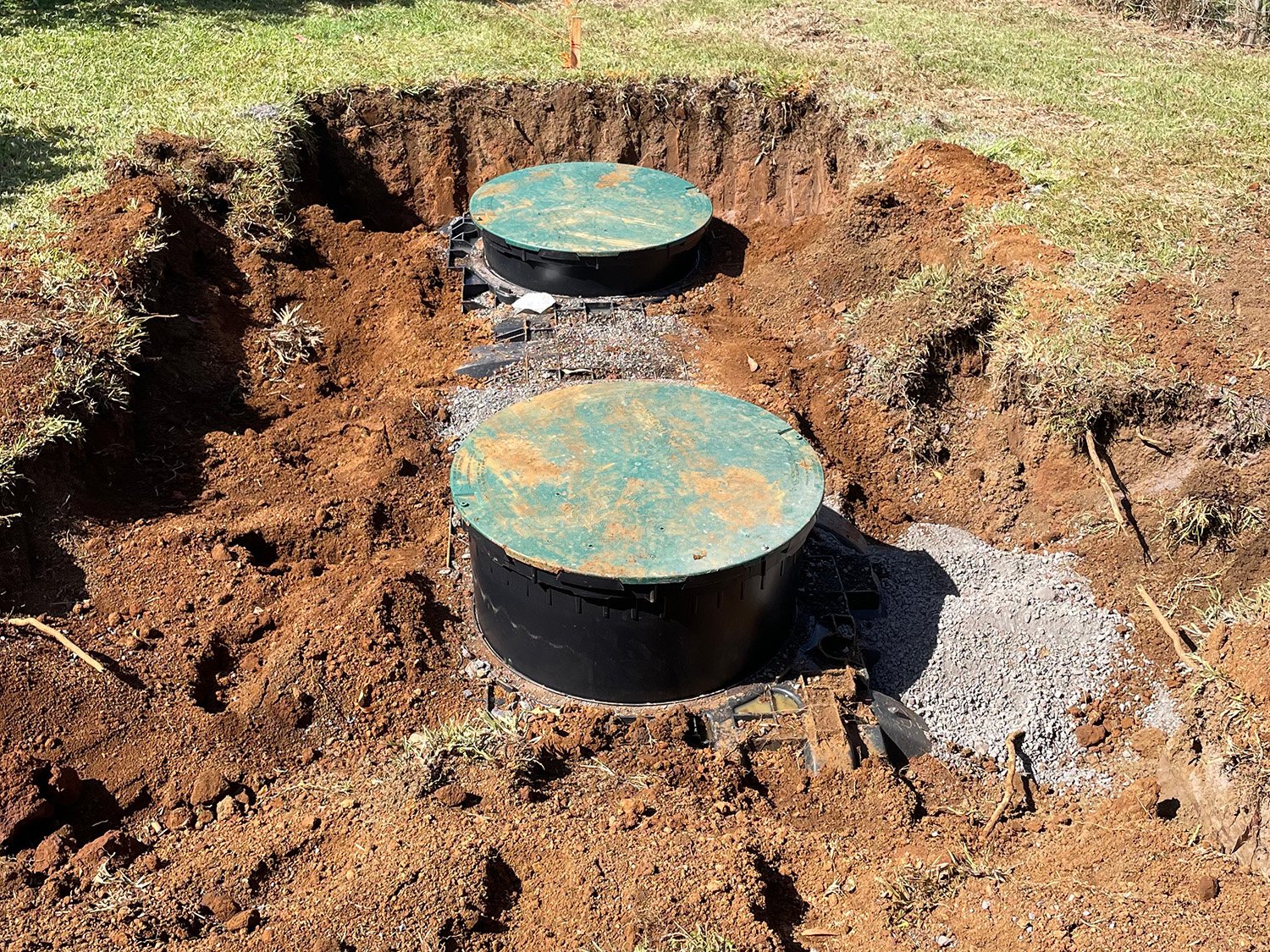
What the Hawaii Cesspool Conversion Law Really Means for Your Property
Hawaii has made it clear that cesspools are being phased out.
The current requirement is that all cesspools must be converted or upgraded by 2050. On paper, that sounds like you have plenty of time.
But the reality is a bit different.
In many cases, homeowners are being required to upgrade much sooner depending on what’s happening with their property. If you plan to renovate, add square footage, or pull certain permits, your cesspool can suddenly become a problem that needs to be addressed right away.
That’s where many homeowners get caught off guard.
They assume they can wait, only to find out later that waiting is no longer an option.
Cesspool Conversion Near Hawaii County: Why Waiting Can Cost You More
It’s easy to think that delaying a major project will save money.
But when it comes to Cesspool Conversion Near Hawaii Count, the opposite is often true.
Costs tend to rise over time for a few simple reasons:
Demand increases as more homeowners rush to upgrade
Material and labor costs continue to climb
Contractors get booked out further in advance
Regulations can become stricter
When you wait, you’re not just delaying the project. You’re stepping into a more competitive, more expensive environment later on.
Homeowners who plan ahead often have more flexibility. They can choose the right solution, schedule the work at a convenient time, and avoid the pressure that comes with last-minute upgrades.
The Hidden Costs of Delaying a Cesspool Upgrade
Most people think of cost as just the installation price.
But the real cost of waiting often shows up in other ways.
If a cesspool starts to fail, you could be dealing with:
Drainage issues inside your home
Standing water or soggy areas in your yard
Odors that don’t go away
Emergency service calls
And those issues rarely happen at a convenient time.
There’s also the possibility of rushed decisions. When a system fails or a permit forces your hand, you don’t always have the time to explore your options or plan properly. That can lead to choosing a solution that isn’t ideal for your property.
How Early Cesspool Conversion Can Save You Money in the Long Run
Upgrading early gives you something most homeowners don’t realize they need until it’s too late.
Control.
When you plan ahead, you can:
Compare different system options
Schedule the work during a less busy season
Take advantage of available incentives
Avoid emergency pricing
Instead of reacting to a problem, you’re making a decision on your own terms.
We’ve seen many homeowners across Hawaii County save money simply by starting the process earlier, even if they don’t complete the upgrade right away. Having a plan in place makes a big difference.
When You Might Be Forced to Convert Your Cesspool Sooner Than Expected
This is one of the biggest surprises for homeowners.
Certain situations can trigger a required upgrade, including:
Major home renovations
Adding bedrooms or bathrooms
Property sales or transfers
Environmental or health concerns
In these cases, the timeline changes quickly.
What felt like a long-term project suddenly becomes something that needs to happen now.
That’s why many homeowners are choosing to get ahead of it instead of waiting for a situation that forces their hand.
Cesspool vs Septic System: What Hawaii County Homeowners Need to Know
When it comes time to upgrade, most homeowners are moving toward septic systems or other approved wastewater solutions.
The key difference is how waste is handled.
A cesspool simply collects and releases waste into the ground. A septic system, on the other hand, treats and disperses wastewater more safely.
For homeowners, that means:
Better environmental protection
Improved system performance
Compliance with current regulations
The right system depends on your property, soil conditions, and layout. There’s no one-size-fits-all solution, which is why proper planning matters.
What Goes Into the Cost of a Cesspool Conversion in Hawaii
Every property is different, and that’s why costs can vary.
Some of the main factors include:
Soil conditions and terrain
Available space for the new system
Distance from structures and water sources
Type of system being installed
Permitting and design requirements
This is where customization really comes into play.
Two homes in the same neighborhood can have very different needs, which is why it’s important to evaluate each property individually.
How Property Conditions in Hawaii County Affect Your Upgrade Costs
Hawaii County presents unique challenges that can impact your project.
Rocky soil, limited space, and environmental considerations all play a role in how a system is designed and installed.
For example:
Properties with limited space may require more advanced systems
Sloped land can affect drainage and layout
Coastal areas may have stricter requirements
Understanding these factors early can help you avoid surprises later.
Financial Incentives, Tax Credits, and Programs for Cesspool Conversion
There are programs in place to help offset the cost of upgrading.
Many homeowners may qualify for:
State tax credits
Financing options
Local assistance programs
These programs can change over time, which is another reason why timing matters.
Waiting too long could mean missing out on opportunities that are available today.
Choosing the Right Cesspool Conversion Solution for Your Property
The best solution is the one that fits your land, your home, and your long-term plans.
Some homeowners prioritize cost. Others focus on long-term performance or environmental impact.
There’s no wrong approach, but there is a right fit for your situation.
That’s why we focus on understanding each property first. The goal is to recommend a solution that works now and continues to work years down the road.
What to Expect During a Cesspool Conversion Project
One of the biggest concerns homeowners have is what the process will actually look like.
While every project is different, most follow a general path:
Property evaluation
System design and permitting
Installation
Final inspection and approval
Planning ahead helps this process move more smoothly.
When everything is rushed, delays and complications become more likely.
Common Mistakes Hawaii Homeowners Make When Upgrading Too Late
Waiting often leads to a few common mistakes:
Rushing into decisions without exploring options
Overpaying due to limited contractor availability
Choosing systems that don’t fully fit the property
Dealing with avoidable stress and urgency
These are the situations most homeowners want to avoid.
And they’re often preventable with early planning.
How to Plan Ahead for a Smooth and Affordable Cesspool Conversion
Getting started doesn’t mean committing to a full project right away.
It can be as simple as:
Understanding your current system
Evaluating your property
Exploring upgrade options
Creating a timeline
This gives you clarity and removes a lot of the uncertainty.
Why More Hawaii County Homeowners Are Choosing to Upgrade Early
Across Hawaii County and Pearl City, more homeowners are choosing to act sooner rather than later.
Not because they’re forced to.
But because they want:
Predictable costs
Better control over the process
Peace of mind
When you look at the bigger picture, early upgrades aren’t just about compliance.
They’re about avoiding stress, avoiding surprises, and making a smart decision on your own terms.
At Advanced Compliance Solutions, Inc., we’ve worked with homeowners across Honolulu County, Kauai County, and Hawaii County who were in this exact position.
They didn’t want to be rushed. They didn’t want to guess. They just wanted clear answers and a solution that made sense for their property.
That’s where a well-planned approach makes all the difference.
And when it comes to Cesspool Conversion Near Hawaii Count, the homeowners who plan ahead are almost always the ones who come out ahead.
