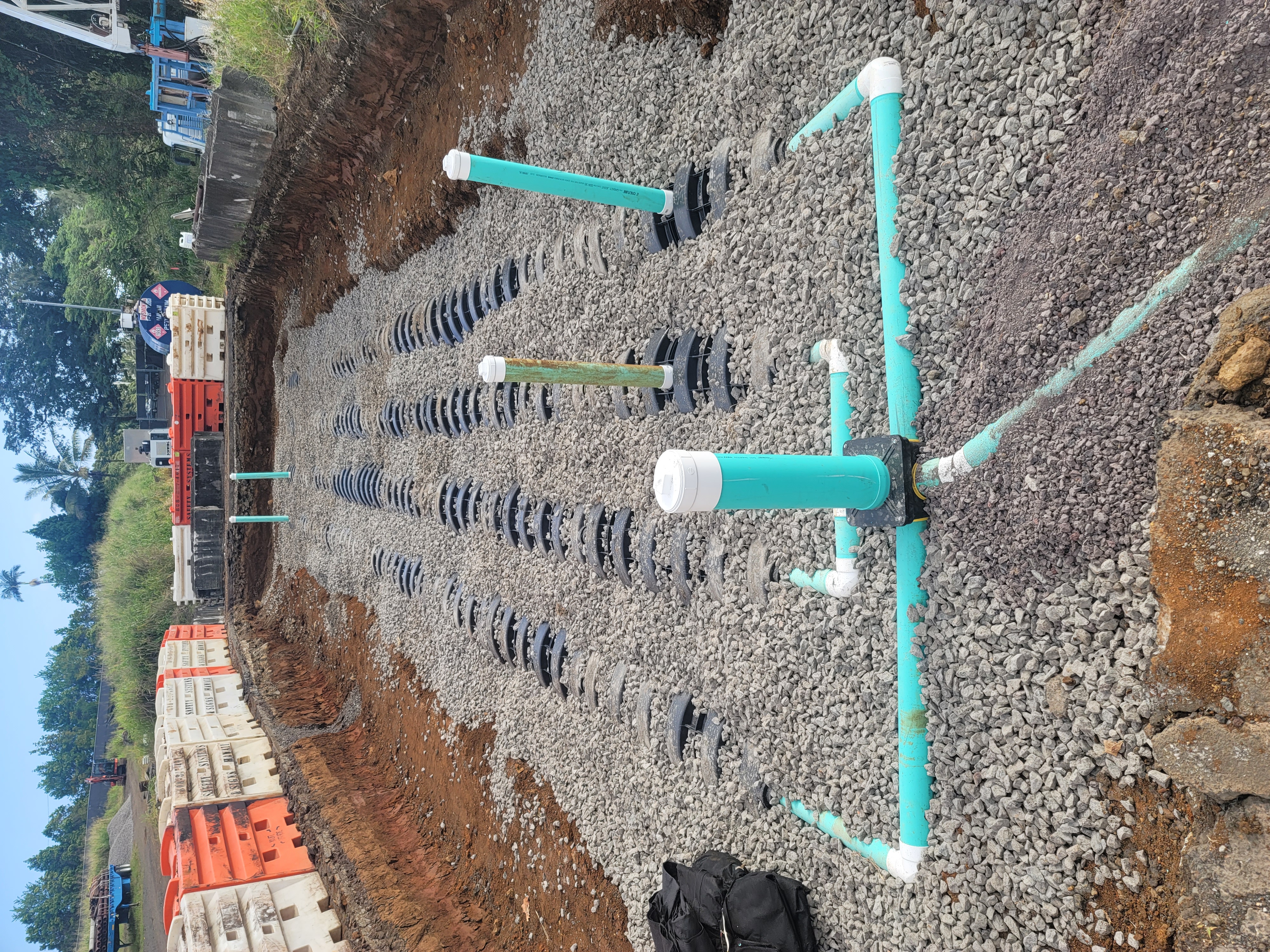
How to choose the right contractor for Drain Field Replacement Near Maui County, Hawaii.
When homeowners first realize something may be wrong with their drain field, the feeling is usually the same:
Stress.
Maybe you noticed standing water in the yard that never seems to dry up. Maybe the drains inside your home started moving slower than usual. Maybe there is an odor outside that keeps getting worse every week. Or maybe someone already told you the words every homeowner dreads hearing:
“Your drain field may be failing.”
That moment can feel overwhelming fast.
Now you are trying to figure out who to trust, what the problem actually is, how much this might cost, and whether somebody is about to sell you a repair you may not even need.
And if you have already started searching online for Drain Field Replacement Near Maui County, Hawaii, you have probably realized something else:
There is no shortage of opinions.
Some companies promise cheap fixes. Some push full replacements immediately. Others barely explain anything at all. For most homeowners, the hardest part is not just the septic problem itself. It is knowing whether the contractor standing in your yard actually understands your property and has your best interests in mind.
At Advanced Compliance Solutions, Inc., we work with homeowners throughout Pearl City, Honolulu County, Kauai County, and Hawaii County who are dealing with these exact concerns. We understand how frustrating and expensive septic problems can become, especially when poor design, rushed installation, or bad advice made the situation worse in the first place.
The good news is that trustworthy contractors usually leave clear signs.
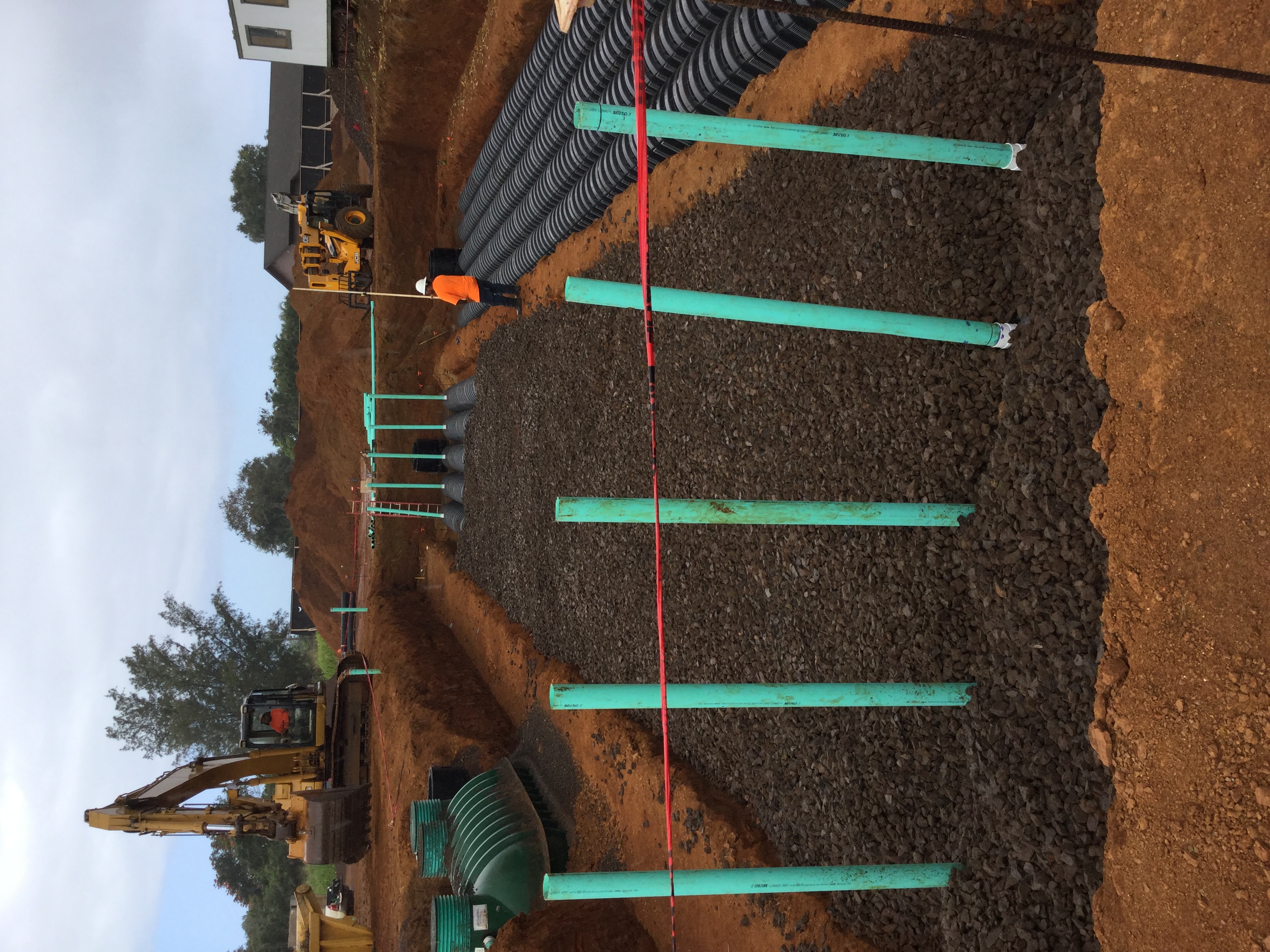
Why Choosing the Wrong Drain Field Contractor Can Become an Expensive Mistake
A drain field is not something you casually replace every few years.
When installed correctly, it should function reliably for a long time. But when corners get cut, problems tend to show up sooner than homeowners expect.
We have seen situations where:
Drain fields were installed in poor soil
Water drainage around the property was ignored
Systems were undersized
Contractors rushed the excavation work
Property slopes were never properly evaluated
Homeowners were sold temporary fixes instead of real solutions
The result is usually the same.
More repairs. More stress. More money.
That is why choosing the right contractor matters so much from the beginning.
The Stress Homeowners Feel When Their Drain Field Starts Failing
Most homeowners are not septic experts.
You are busy working, raising a family, managing bills, or trying to finish a home project list that never seems to get shorter. Suddenly dealing with septic issues on top of everything else can feel exhausting.
Many homeowners worry about:
The cost of repairs
Damage to their property
Health concerns
Failing inspections
Environmental problems
Whether the issue will keep getting worse
Those concerns are real.
Drain field problems can affect daily life quickly. Even simple things like showering, doing laundry, or running the dishwasher can become stressful when the septic system is not functioning properly.
That is why homeowners deserve honest guidance instead of pressure or confusion.
What a Drain Field Contractor Actually Does
Some homeowners assume drain field work is simply digging trenches and replacing pipes.
In reality, there is much more involved.
A good drain field contractor evaluates:
Soil conditions
Water drainage
Property slope
Groundwater levels
Existing septic system performance
Available space
Environmental restrictions
Household water usage
The contractor should also understand local permitting requirements and how Hawaii’s climate and terrain affect long-term system performance.
In other words, good drain field work starts long before excavation begins.
Why Hawaii Properties Create Unique Drain Field Challenges
Properties throughout Hawaii can behave very differently underground.
Some lots contain lava rock. Others have clay-heavy soil that drains poorly. Some properties are steep, while others experience high groundwater or heavy rain runoff during storms.
These conditions matter because drain fields rely heavily on how wastewater moves through the soil.
That is why Drain Field Replacement Near Maui County, Hawaii should never follow a one-size-fits-all approach.
A system that works perfectly on one property could fail early on another lot just a few miles away.
Sign #1: The Contractor Takes Time to Evaluate Your Property Properly
One of the clearest signs you have found the right contractor is simple:
They do not rush.
A trustworthy contractor takes time to study the property carefully before recommending a solution.
That evaluation may include:
Soil testing
Drainage observations
Slope measurements
Existing system inspections
Water usage discussions
Reviewing property limitations
If someone immediately gives you a price without thoroughly looking at the property, that should raise concerns.
Every property behaves differently.
Good contractors know that.
Why Soil Conditions Matter During Drain Field Replacement Near Maui County, Hawaii
Soil is one of the biggest factors affecting drain field performance.
Some soils absorb water efficiently. Others hold moisture for long periods or drain unevenly. Rocky ground can also create installation challenges that affect both cost and design.
Ignoring soil conditions is one of the fastest ways to shorten the life of a drain field.
A proper evaluation helps prevent future problems before they start.
Sign #2: They Explain the Process in Plain English Instead of Confusing You
A good contractor should help you understand the situation instead of making you feel lost.
That does not mean oversimplifying everything. But homeowners should not walk away from conversations feeling more confused than before.
A trustworthy contractor explains:
What the problem is
Why it happened
What solutions exist
The pros and cons of each option
Expected maintenance needs
Potential costs
What happens next
Some contractors rely heavily on technical language because they assume homeowners will not question them.
The best contractors usually do the opposite.
They educate homeowners clearly and honestly.
Red Flags to Watch for During Drain Field Consultations
There are several warning signs homeowners should pay attention to during consultations.
Be cautious if a contractor:
Pushes one solution immediately
Avoids explaining costs
Refuses to answer questions
Promises unrealistically cheap work
Avoids discussing permits
Cannot explain why a specific design makes sense
Seems rushed or impatient
Drain field work is too important for guesswork.
Sign #3: The Contractor Designs Solutions Around Your Property Instead of Offering One Generic Fix
Not every property needs the same type of drain field system.
Some homeowners may benefit from chamber systems. Others may need advanced treatment systems or alternative layouts because of space limitations or drainage concerns.
The right contractor customizes the solution around the property itself.
That matters a lot in Hawaii where terrain conditions can change dramatically across short distances.
At Advanced Compliance Solutions, Inc., we believe septic design should fit the property instead of forcing the property to fit a standard design.
Why Custom Drain Field Design Matters in Hawaii
Custom design becomes especially important when properties have:
Sloped terrain
Limited space
High rainfall exposure
Coastal conditions
Poor drainage
Environmental restrictions
Volcanic or rocky soil
Ignoring these conditions often leads to shorter system lifespan and more maintenance problems later.
Sign #4: They Talk Honestly About Long-Term Costs and Maintenance
One of the most important signs of a trustworthy contractor is honesty about long-term ownership costs.
Every drain field requires maintenance.
A contractor who pretends otherwise is not being realistic.
Homeowners should understand:
Inspection schedules
Pumping requirements
Water usage habits
Drainage management
Repair risks
Expected lifespan
Good contractors help homeowners think long-term instead of focusing only on installation day.
Drain Field Replacement Near Maui County, Hawaii: What Homeowners Often Forget to Budget For
Many homeowners focus entirely on installation costs but forget about long-term care.
Additional costs may include:
Septic pumping
Inspections
Drainage improvements
Repairs
Landscaping restoration
Water management around the property
Understanding these costs upfront helps homeowners avoid surprises later.
Sign #5: They Understand Hawaii Permits, Environmental Rules, and Local Conditions
Permitting and environmental compliance matter greatly in Hawaii.
Wastewater systems affect groundwater, nearby properties, and environmentally sensitive areas.
A knowledgeable contractor understands:
County permit requirements
Environmental restrictions
Drainage regulations
Inspection requirements
Proper setback distances
Hawaii-specific soil and terrain challenges
This experience helps projects move more smoothly and reduces the chances of expensive compliance issues later.
Why Local Experience Matters With Drain Field Projects Near Maui County
Local experience matters because Hawaii properties are unique.
Contractors unfamiliar with the area may underestimate:
Rainfall impacts
Drainage challenges
Soil behavior
Environmental requirements
Terrain limitations
The right contractor understands how these local conditions affect long-term drain field performance.
Common Drain Field Problems We See Across Hawaii Properties
Some of the most common drain field issues include:
Saturated soil
Standing water
Poor drainage around the field
Root intrusion
Compacted soil
Incorrect system sizing
Poor installation practices
Water runoff problems
Many of these problems begin during planning or installation, not years later.
Questions Homeowners Should Ask Before Hiring a Drain Field Contractor
Homeowners should never feel uncomfortable asking questions.
Some good questions include:
What type of system fits this property best?
Why are you recommending this design?
What maintenance will this require?
How long should this system last?
What drainage concerns do you see?
Will permits be required?
What challenges could affect installation?
A good contractor welcomes these conversations.
How Poor Installation Can Shorten the Life of a Drain Field
Even quality materials cannot overcome poor workmanship.
Incorrect grading, rushed excavation, poor pipe placement, and ignoring drainage patterns can all create major issues later.
That is why installation quality matters just as much as system design.
Why Communication Matters During Drain Field Replacement Projects
Homeowners deserve updates, explanations, and honest communication throughout the process.
Drain field replacement can feel stressful enough without confusion being added on top of it.
The best contractors keep homeowners informed instead of leaving them guessing.
Drain Field Replacement Near Maui County, Hawaii: Warning Signs You Should Not Ignore
Some warning signs deserve immediate attention, including:
Persistent sewage odors
Wet spots in the yard
Slow drains throughout the home
Gurgling plumbing
Backups
Bright green grass over the drain field
Standing water after normal usage
Waiting too long can sometimes increase repair costs significantly.
How the Right Drain Field Contractor Helps Protect Your Property Value
A properly functioning septic system protects more than convenience.
It also protects property value.
Drain field failures can affect inspections, property sales, financing, and overall buyer confidence.
Good installation work helps reduce future headaches for homeowners.
The Difference Between a Quick Fix and a Long-Term Solution
Some repairs only mask the symptoms temporarily.
A long-term solution addresses the underlying cause of the problem.
That might involve:
Correcting drainage issues
Redesigning the drain field
Improving water management
Replacing failing components
Adjusting system layout
The right contractor focuses on solving the actual problem instead of chasing short-term patches.
Final Thoughts on Finding the Right Drain Field Contractor Near Maui County, Hawaii County
Finding the right contractor is about more than price alone.
It is about trust, experience, communication, and understanding how your specific property works.
Homeowners dealing with Drain Field Replacement Near Maui County, Hawaii deserve honest answers and customized solutions, not rushed recommendations or generic fixes.
At Advanced Compliance Solutions, Inc., we believe good septic work starts with listening carefully, evaluating the property properly, and designing systems that fit the land and the homeowner’s long-term needs.
Because when drain field problems are handled correctly the first time, homeowners usually save themselves a great deal of stress, money, and frustration later on.
