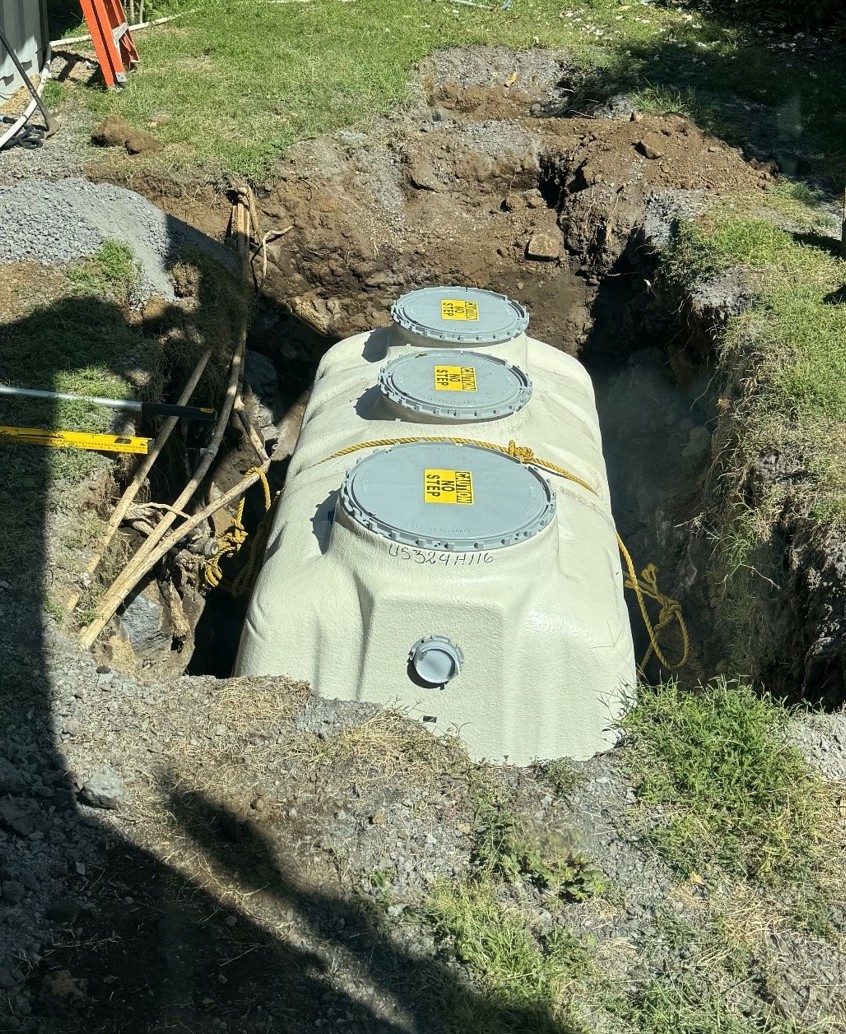
Aerobic vs Conventional Septic Systems Near Maui County, Hawaii | Homeowner Guide
If you are building a home, replacing an older septic system, or converting an outdated cesspool on your property, there is a good chance you have already run into one frustrating reality:
Everybody seems to have a different opinion.
One contractor says you need an aerobic system. Another says a conventional system will work just fine. Then you start reading online and suddenly every article sounds overly technical, overly sales-driven, or completely disconnected from what properties in Hawaii are actually like.
Meanwhile, you are the one trying to make a smart decision that could affect your property for decades.
That pressure is real.
Most homeowners are not septic experts. You should not have to become one overnight just to protect your home, your land, and your wallet. But septic decisions matter more than many people realize, especially in Hawaii where steep slopes, volcanic soil, coastal conditions, heavy rain, and environmental regulations can completely change what works best from one property to another.
At Advanced Compliance Solutions, Inc., we work with homeowners across Pearl City and throughout Honolulu County, Kauai County, and Hawaii County who are trying to sort through these exact questions. Our approach is simple: every property is different, and the best septic system is usually the one designed around your land instead of forcing your land to fit a generic system.
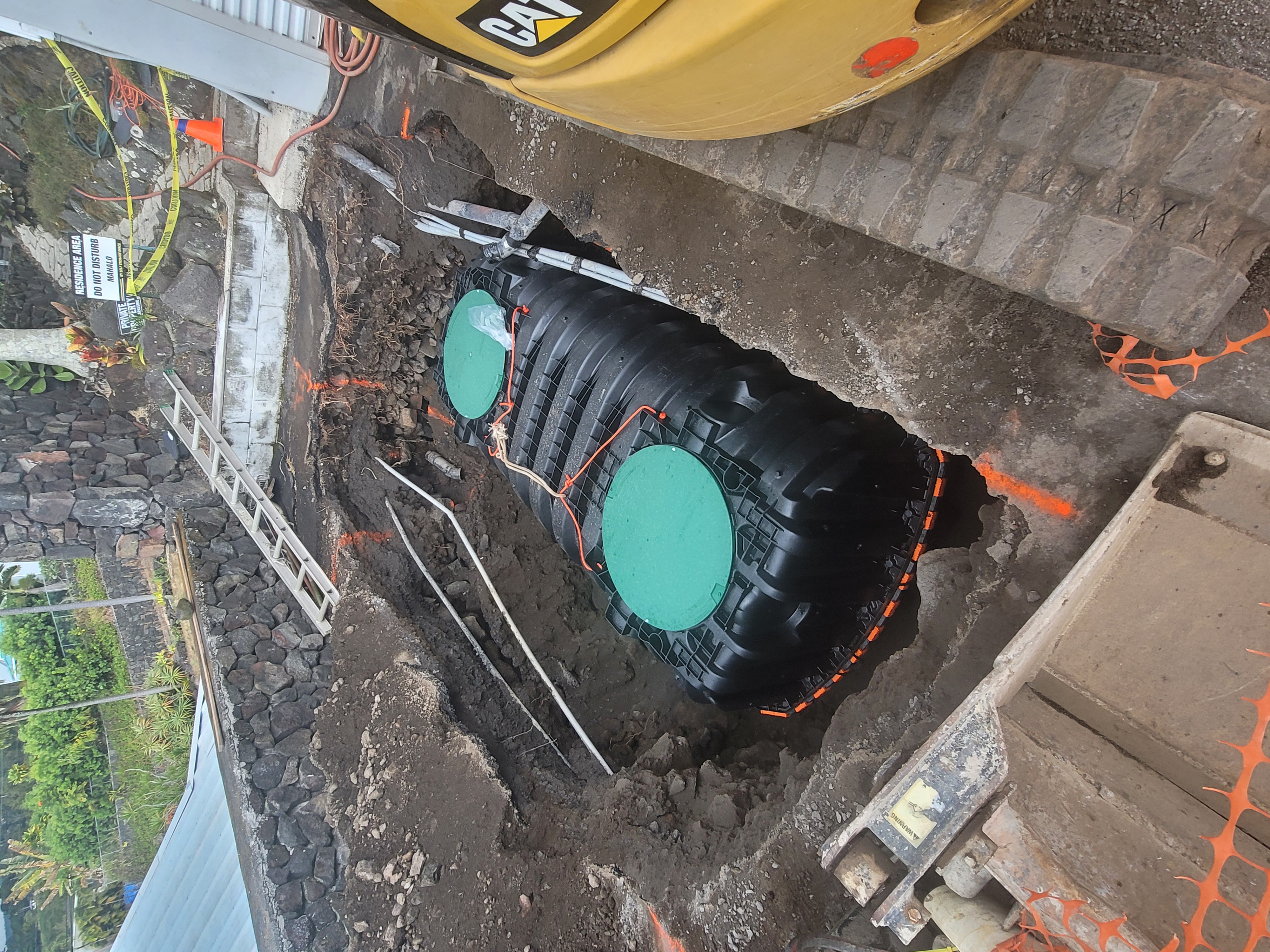
Why Choosing the Wrong Septic System Can Become a Costly Problem
A septic system is not something most homeowners think about every day. But when something goes wrong, it suddenly becomes impossible to ignore.
Slow drains. Wet spots in the yard. Bad smells. Backups inside the home. Failed inspections. Expensive repairs.
Many of these problems start long before the first pipe is installed.
The truth is, some septic systems fail because the wrong type of system was chosen from the beginning. A system that works perfectly on one property may struggle badly on another lot just a few miles away.
That is especially true with Septic Systems Near Maui County, Hawaii because local conditions can vary so much. Soil type, rainfall, elevation, slope, lot size, and groundwater conditions all play a major role in how wastewater moves through the system.
Choosing the right setup early can save homeowners years of stress later.
Understanding How Conventional Septic Systems Work
A conventional septic system is the type most people picture when they think of septic.
Wastewater leaves the home and flows into a septic tank. Inside the tank, solids settle to the bottom while lighter materials float to the top. The partially treated wastewater then flows out into a drain field where it filters naturally through the soil.
Conventional systems are popular because they are relatively simple and usually less expensive upfront.
They also have fewer mechanical components, which means fewer moving parts that can fail.
For properties with:
Good soil drainage
Plenty of space
Lower groundwater levels
Favorable site conditions
A conventional system can work very well for many years.
But not every Hawaii property checks those boxes.
Understanding How Aerobic Septic Systems Work
Aerobic septic systems work differently.
Instead of relying mostly on natural soil filtration, aerobic systems use oxygen to help break down waste more aggressively. Air is introduced into the treatment process using pumps and aerators, helping beneficial bacteria treat wastewater faster and more thoroughly.
Think of it like the difference between compost sitting still versus compost being regularly turned and aerated.
Because aerobic systems treat wastewater at a higher level before it reaches the drain field, they are often used on properties where conventional systems may struggle.
This can include:
Small lots
Rocky terrain
High groundwater areas
Poorly draining soil
Environmentally sensitive locations
Many properties near coastal or environmentally regulated areas may benefit from aerobic treatment systems because they help reduce contaminants before wastewater enters the soil.
The Biggest Differences Between Aerobic and Conventional Septic Systems
The biggest differences usually come down to four things:
Treatment quality
Installation cost
Maintenance needs
Property compatibility
Conventional systems are simpler and usually cost less upfront. They also use little to no electricity.
Aerobic systems provide stronger wastewater treatment but require additional equipment, power, and ongoing maintenance.
Neither system is automatically “better.”
The better system is the one that fits your property conditions and long-term needs.
Which Septic System Handles Hawaii’s Wet Climate Better?
Hawaii’s climate creates unique challenges for septic systems.
Heavy rain, tropical storms, saturated soil, and high groundwater levels can all affect system performance. Some properties also experience rapid water movement through volcanic soil, while others deal with compacted or clay-heavy ground that drains poorly.
Aerobic systems often perform better in difficult drainage conditions because they treat wastewater more thoroughly before it reaches the soil.
That added treatment can help reduce stress on the drain field.
However, a properly designed conventional system can still work extremely well if the soil conditions are right.
This is why proper site evaluation matters so much before choosing a system.
Septic Systems Near Maui County, Hawaii: Why Soil Conditions Matter More Than Most Homeowners Realize
One of the biggest mistakes homeowners make is assuming all lots behave the same underground.
They do not.
Two neighboring properties may have completely different drainage conditions beneath the surface.
Some properties absorb water quickly. Others hold moisture for long periods. Some contain lava rock, while others may have shallow soil layers that limit filtration.
That is why Septic Systems Near Maui County, Hawaii should never be treated like a one-size-fits-all project.
A proper evaluation looks at:
Soil composition
Drainage ability
Groundwater levels
Slope
Available space
Environmental regulations
Water usage needs
Skipping this process or rushing through it can create major issues later.
Which Septic System Costs More Up Front?
In most cases, aerobic systems cost more upfront than conventional systems.
That additional cost comes from:
Pumps
Aerators
Electrical components
Advanced treatment equipment
More complex installation requirements
Conventional systems are generally more affordable because they rely more heavily on natural soil treatment.
However, cheaper upfront does not always mean cheaper long-term.
If a conventional system struggles on a poorly suited property, repair costs and performance problems can add up quickly.
Long-Term Maintenance: What Homeowners Often Forget to Budget For
Every septic system needs maintenance.
That part surprises some homeowners.
Conventional systems still require pumping, inspections, and responsible water usage. But aerobic systems usually require more frequent servicing because they contain mechanical equipment.
Aerobic systems may need:
Pump inspections
Aerator servicing
Filter cleaning
Electrical component checks
Ignoring maintenance on an aerobic system can shorten its lifespan significantly.
But homeowners who stay on top of service schedules often find these systems perform very reliably.
Which Septic System Lasts Longer in Hawaii?
Lifespan depends less on system type and more on three major factors:
Proper design
Quality installation
Consistent maintenance
A poorly installed system of any kind can fail early.
A properly designed and maintained system can last for decades.
One of the most common problems we see is systems installed without fully accounting for future water use, soil conditions, or property limitations.
That shortcut usually catches up with homeowners later.
Aerobic vs Conventional Septic Systems for Smaller Properties
Smaller lots often create challenges for conventional systems because drain fields require space.
If there is not enough usable area available, aerobic systems may provide more flexibility because they treat wastewater more aggressively before discharge.
This can make aerobic systems a better option for:
Tight lots
Irregular property layouts
Coastal properties
Areas with stricter environmental requirements
That does not mean conventional systems are impossible on smaller properties, but space limitations often narrow the options.
Which Option Makes More Sense for Rural Properties Near Maui County?
Rural properties can vary widely.
Some have plenty of open space and ideal soil conditions, making conventional systems a practical option. Others may have steep terrain, rocky soil, or drainage issues that make aerobic treatment more attractive.
The right answer depends on the land itself.
That is why we spend time understanding how homeowners actually plan to use the property instead of automatically recommending the same system every time.
Common Problems We See With Poorly Designed Septic Systems
Some of the most common septic problems are tied to poor planning.
These include:
Drain fields installed in poor soil
Systems undersized for household usage
Improper grading around the system
Water runoff flooding the drain field
Ignoring groundwater conditions
Poor placement near slopes
Many of these problems can be avoided during the design phase.
Why Permits and Local Regulations Matter in Hawaii
Hawaii has strict environmental regulations for good reason.
Improper wastewater treatment can affect groundwater, nearby properties, and environmentally sensitive areas.
Different counties may also have different requirements depending on location, property conditions, and environmental concerns.
Homeowners sometimes underestimate how important permitting and compliance are during septic installation projects.
Trying to bypass those steps can create expensive setbacks later.
Septic Systems Near Maui County, Hawaii: What Homeowners Usually Ask Before Installing a System
Most homeowners ask similar questions:
Which system costs less?
Which one lasts longer?
Which one needs less maintenance?
Which one is better for my property?
Which one is easier to repair?
Which one is more environmentally friendly?
These are all fair questions.
The challenge is that the answers depend heavily on the specific property.
That is why generalized advice online can sometimes create confusion instead of clarity.
Signs Your Property May Need an Aerobic Septic System
Your property may be a better fit for an aerobic system if you have:
Poor soil drainage
Limited lot space
High groundwater
Environmental restrictions
Challenging slopes
Rocky terrain
A property near sensitive waterways
Aerobic systems are often chosen because they provide stronger wastewater treatment in difficult conditions.
When a Conventional Septic System May Be the Better Choice
Conventional systems may make more sense if your property has:
Good natural drainage
Plenty of usable land
Lower installation complexity
Fewer environmental limitations
Many homeowners also appreciate the simplicity of conventional systems because they usually have fewer mechanical components.
How Installation Quality Impacts Septic System Performance
Even the best septic system design can fail if installation quality is poor.
Incorrect grading, rushed excavation, poor pipe placement, or improper drainage planning can all affect performance.
That is why experience matters during installation.
The goal should never be to simply “get the system in the ground.”
The goal is building a system that works reliably for years.
Comparing Energy Usage Between Aerobic and Conventional Septic Systems
Conventional systems use little or no electricity.
Aerobic systems require power because pumps and aerators must run regularly to maintain oxygen levels.
This means aerobic systems typically have slightly higher operating costs.
For some homeowners, that tradeoff is worth it because of the improved treatment performance.
Which Septic System Is Easier to Repair?
Conventional systems are usually simpler to repair because they have fewer mechanical parts.
Aerobic systems can require specialized servicing depending on the issue.
However, both systems benefit greatly from regular inspections and preventative maintenance.
Catching small problems early is almost always cheaper than waiting for a major failure.
How to Choose the Right Septic Contractor Near Maui County, Hawaii
Choosing the right contractor matters just as much as choosing the right system.
Homeowners should look for companies that:
Understand local conditions
Explain options clearly
Evaluate the property carefully
Customize recommendations
Communicate honestly
Understand Hawaii regulations
A good contractor should help you understand why a system makes sense instead of pressuring you into one option.
The Importance of Designing a Septic System Around Your Property Instead of Using a “Standard” Setup
No two properties are exactly alike.
That is especially true across Hawaii.
The best septic systems are designed around the actual conditions of the property, not copied from another project without proper evaluation.
At Advanced Compliance Solutions, Inc., that customized approach is a major part of how we help homeowners make better long-term decisions for their property.
Because when it comes to septic systems, shortcuts today often become expensive problems tomorrow.
Final Thoughts on Aerobic vs Conventional Septic Systems Near Maui County, Hawaii County
So which septic system makes more sense?
The honest answer is: it depends on the property.
For some homeowners, a conventional system may provide a simple and cost-effective long-term solution.
For others, an aerobic system may offer better performance, flexibility, and environmental protection under difficult site conditions.
The key is understanding what your property actually needs before making a decision.
When homeowners take the time to properly evaluate soil conditions, drainage, lot size, and long-term goals, they usually end up with a system that performs better and creates fewer headaches later.
And in Hawaii, where land conditions can change dramatically from one property to another, that planning process matters more than many people realize.
